

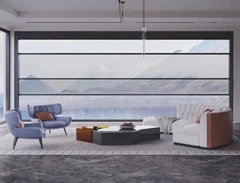
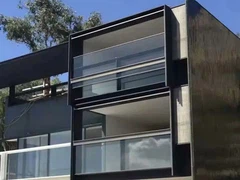

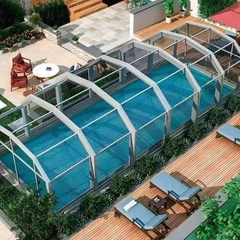
As a supplier of folding windows, I often receive inquiries from customers about various aspects of our products. One question that comes up quite frequently is: "What is the air infiltration rate of folding windows?" In this blog post, I'll delve into this topic in detail, providing you with a comprehensive understanding of air infiltration rates and how they relate to our folding windows.
Understanding Air Infiltration Rate
Air infiltration refers to the unintentional flow of outdoor air into a building through cracks, gaps, and other openings in the building envelope. The air infiltration rate is a measure of how much air leaks into or out of a building per unit of time, usually expressed in cubic feet per minute per square foot of window area (CFM/ft²) at a specific pressure difference, typically 1.57 pounds per square foot (75 Pa).
A lower air infiltration rate indicates better energy efficiency and indoor comfort. When a window has a high air infiltration rate, it allows more outside air to enter the building, which can lead to increased energy consumption for heating or cooling, as well as drafts and discomfort for the occupants.
Factors Affecting the Air Infiltration Rate of Folding Windows
Several factors can influence the air infiltration rate of folding windows. Understanding these factors can help you make an informed decision when choosing the right folding windows for your project.
1. Window Design
The design of folding windows plays a crucial role in determining their air infiltration rate. Well-designed folding windows are engineered to minimize gaps and provide a tight seal when closed. For example, windows with multiple locking points and weatherstripping can significantly reduce air leakage. Our Collapsing Sliding Glass Doors feature a sophisticated locking system and high-quality weatherstripping, ensuring a low air infiltration rate.
2. Material Quality
The materials used in the construction of folding windows also impact their air infiltration rate. High-quality materials, such as aluminum or uPVC, are more durable and can provide a better seal compared to lower-quality alternatives. Aluminum frames, for instance, are lightweight, strong, and resistant to corrosion, making them an excellent choice for folding windows. Our Large Folding Windows are constructed with premium aluminum frames, which contribute to their low air infiltration rate.
3. Installation Quality
Even the best-designed and highest-quality folding windows can have a high air infiltration rate if they are not installed correctly. Proper installation is essential to ensure that the windows fit tightly in the opening and that all seals are intact. A professional installer will take the necessary steps to level the windows, seal the gaps, and ensure that the locking mechanisms work properly. We recommend hiring a certified installer to ensure the optimal performance of your folding windows.
4. Maintenance
Regular maintenance is crucial to keep the air infiltration rate of folding windows low over time. This includes cleaning the windows and frames, lubricating the moving parts, and inspecting the seals for damage. If you notice any signs of air leakage, such as drafts or increased energy bills, it's important to address the issue promptly. Our Folding Down Windows are designed for easy maintenance, making it simple to keep them in top condition.
Measuring the Air Infiltration Rate
The air infiltration rate of folding windows is typically measured using a standardized test method, such as ASTM E283 or EN 12207. These tests involve creating a pressure difference across the window and measuring the amount of air that leaks through. The results are then reported as a CFM/ft² value at a specific pressure difference.
When comparing folding windows from different suppliers, it's important to look for windows that have been tested and certified to meet industry standards. This will give you confidence in the performance of the windows and ensure that they meet your energy efficiency requirements.
Benefits of Low Air Infiltration Rate
Choosing folding windows with a low air infiltration rate offers several benefits, including:
1. Energy Efficiency
A low air infiltration rate means less air leakage, which translates to lower energy consumption for heating and cooling. This can result in significant cost savings on your energy bills over time. By investing in energy-efficient folding windows, you can reduce your carbon footprint and contribute to a more sustainable environment.
2. Indoor Comfort
Windows with a low air infiltration rate help to maintain a consistent indoor temperature and reduce drafts. This creates a more comfortable living or working environment, especially in extreme weather conditions. You'll be able to enjoy a cozy home or office without having to worry about cold spots or uncomfortable drafts.
3. Noise Reduction
In addition to reducing air leakage, low-air-infiltration folding windows can also help to reduce noise transmission from the outside. This is particularly beneficial if you live in a noisy area, such as near a busy road or airport. By minimizing noise pollution, you can create a quieter and more peaceful indoor environment.
4. Durability
Windows with a low air infiltration rate are typically well-designed and constructed with high-quality materials. This means that they are more durable and less likely to develop problems over time. You can expect your folding windows to last for many years with minimal maintenance, providing you with long-term value for your investment.

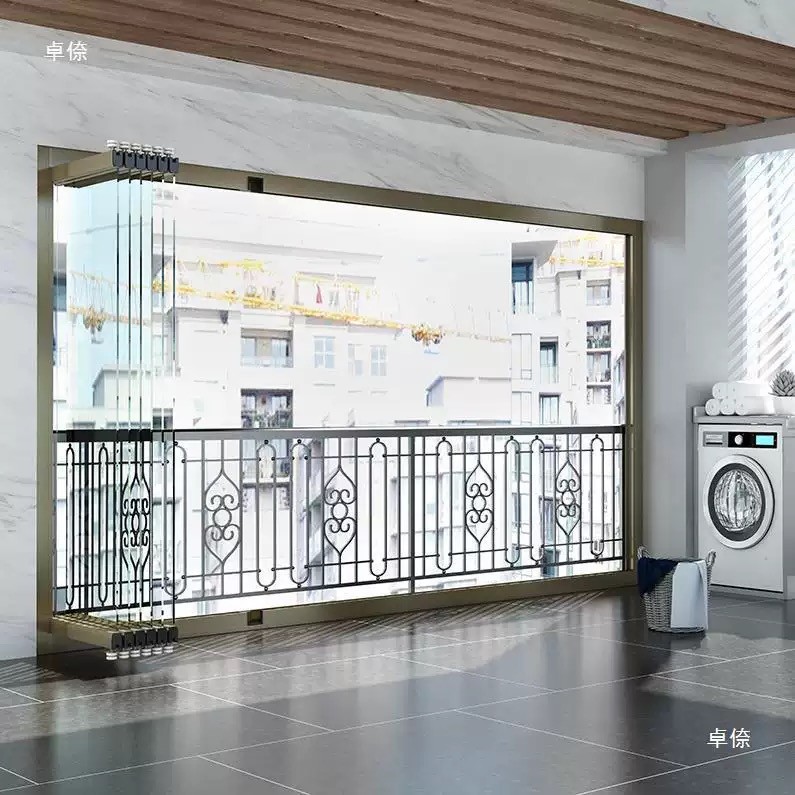
Conclusion
In conclusion, the air infiltration rate is an important factor to consider when choosing folding windows. A low air infiltration rate indicates better energy efficiency, indoor comfort, noise reduction, and durability. By understanding the factors that affect the air infiltration rate and choosing high-quality folding windows that have been tested and certified to meet industry standards, you can ensure that you get the best performance and value for your investment.
If you're interested in learning more about our folding windows or would like to discuss your specific requirements, please don't hesitate to contact us. Our team of experts is here to assist you in finding the perfect folding windows for your project. We look forward to the opportunity to work with you and help you create a more comfortable and energy-efficient space.
References
- ASTM International. (2023). ASTM E283 - Standard Test Method for Determining Rate of Air Leakage Through Exterior Windows, Skylights, Doors, and Curtain Walls Under Specified Pressure Differences Across the Specimen.
- European Committee for Standardization. (2023). EN 12207 - Windows and doors - Air permeability - Classification.