





Hey there! As a supplier of Vertical Lift Windows, I often get asked about the air infiltration rating of these windows. So, I thought I'd take a few minutes to break it down for you.
First off, let's talk about what air infiltration is. Simply put, it's the amount of outside air that seeps into a building through cracks, gaps, and other openings in the windows and doors. This can have a big impact on energy efficiency, indoor comfort, and even air quality.
When it comes to vertical lift windows, the air infiltration rating is a measure of how well the window prevents outside air from getting in. It's typically expressed in cubic feet per minute per square foot of window area (cfm/ft²) at a specific pressure differential. In the United States, the most common pressure differential used for testing is 1.57 pounds per square foot (75 Pa).
So, what's a good air infiltration rating for vertical lift windows? Well, it depends on a few factors, including the climate you live in, the type of building you're installing the windows in, and your energy efficiency goals. In general, though, a lower air infiltration rating is better.
For residential applications, the American Architectural Manufacturers Association (AAMA) recommends a maximum air infiltration rate of 0.3 cfm/ft² for windows in most climates. In colder climates, you may want to aim for an even lower rating, such as 0.15 cfm/ft² or less.

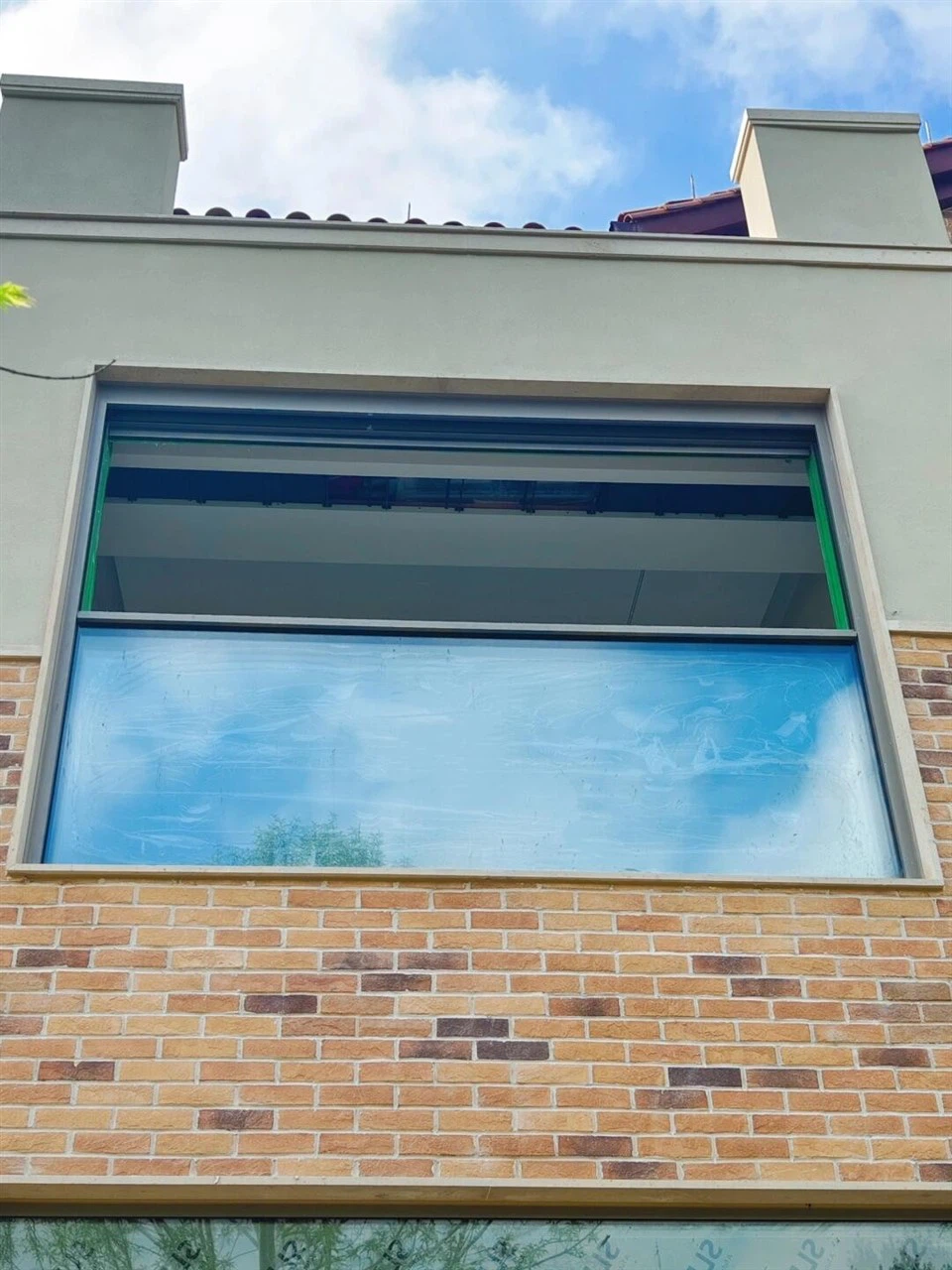
Commercial buildings typically have more stringent requirements, with some codes and standards calling for air infiltration rates as low as 0.05 cfm/ft². This is because commercial buildings often have larger window areas and higher occupancy levels, which means they can have a greater impact on energy consumption and indoor comfort.
Now, let's take a look at some of the factors that can affect the air infiltration rating of vertical lift windows.
Window Design
The design of the window plays a big role in its air infiltration performance. For example, windows with a tight-fitting sash and frame are less likely to allow air to leak in. Additionally, windows with multiple weatherstripping seals can provide an extra layer of protection against air infiltration.
At our company, we offer a variety of vertical lift windows with different designs to meet the needs of our customers. Our Solid Brass Sash Lifting Window features a solid brass sash and frame, which provides a durable and stylish solution for residential and commercial applications. The window also has a tight-fitting design and multiple weatherstripping seals to help prevent air infiltration.
Installation
Proper installation is crucial for achieving a low air infiltration rating. Even the best-designed window can leak air if it's not installed correctly. That's why it's important to hire a professional installer who has experience working with vertical lift windows.
When installing vertical lift windows, the installer should make sure that the window is level and plumb, and that the frame is properly sealed around the perimeter. They should also check the weatherstripping seals to make sure they're in good condition and properly aligned.
Maintenance
Regular maintenance is also important for keeping your vertical lift windows in good working condition and maintaining a low air infiltration rating. This includes cleaning the windows regularly, lubricating the moving parts, and checking the weatherstripping seals for wear and tear.
If you notice any signs of air leakage, such as drafts or whistling sounds, it's important to address the issue as soon as possible. This may involve replacing the weatherstripping seals, adjusting the sash or frame, or making other repairs.
Testing and Certification
To ensure that our vertical lift windows meet the highest standards of air infiltration performance, we subject them to rigorous testing and certification. Our windows are tested in accordance with industry standards, such as the AAMA/WDMA/CSA 101/I.S.2/A440-17 standard for windows, doors, and skylights.
We also offer third-party certification for our windows, which provides independent verification of their air infiltration performance. This can give our customers peace of mind knowing that they're getting a high-quality product that meets or exceeds industry standards.
In conclusion, the air infiltration rating of vertical lift windows is an important factor to consider when choosing windows for your home or commercial building. By choosing windows with a low air infiltration rating, you can improve energy efficiency, reduce heating and cooling costs, and enhance indoor comfort.
If you're interested in learning more about our vertical lift windows or have any questions about air infiltration ratings, please don't hesitate to contact us. We'd be happy to help you find the right windows for your needs and answer any questions you may have.
References
- American Architectural Manufacturers Association (AAMA). (2017). AAMA/WDMA/CSA 101/I.S.2/A440-17: North American Fenestration Standard/Specification for Windows, Doors, and Skylights.
- U.S. Department of Energy. (n.d.). Energy Efficiency Tips for Windows and Doors. Retrieved from https://www.energy.gov/energysaver/energy-efficient-windows-and-doors