



Hey there! As a supplier of flush double glazing, I often get asked about the differences between flush double glazing and standard double glazing. So, I thought I'd put together this blog post to clear things up and help you make an informed decision when it comes to choosing the right windows for your home.
What is Double Glazing?
Before we dive into the differences, let's quickly go over what double glazing is. Double glazing consists of two panes of glass separated by a spacer bar, which creates an air gap between the panes. This air gap acts as an insulator, reducing heat transfer and improving energy efficiency. Double glazing also helps to reduce noise pollution and can enhance the security of your home.
Standard Double Glazing
Standard double glazing is the most common type of double glazing available. It typically features a traditional design with a visible frame that sits proud of the wall. The frame can be made from a variety of materials, including uPVC, aluminum, or timber. Standard double glazing is a popular choice for many homeowners because it is relatively affordable and offers good energy efficiency.
One of the main advantages of standard double glazing is its versatility. It comes in a wide range of styles and sizes, making it suitable for most types of homes. Whether you have a modern or traditional property, you can find standard double glazing that will complement your home's architecture. Standard double glazing also offers a good level of security, with many windows featuring multi-point locking systems and toughened glass.
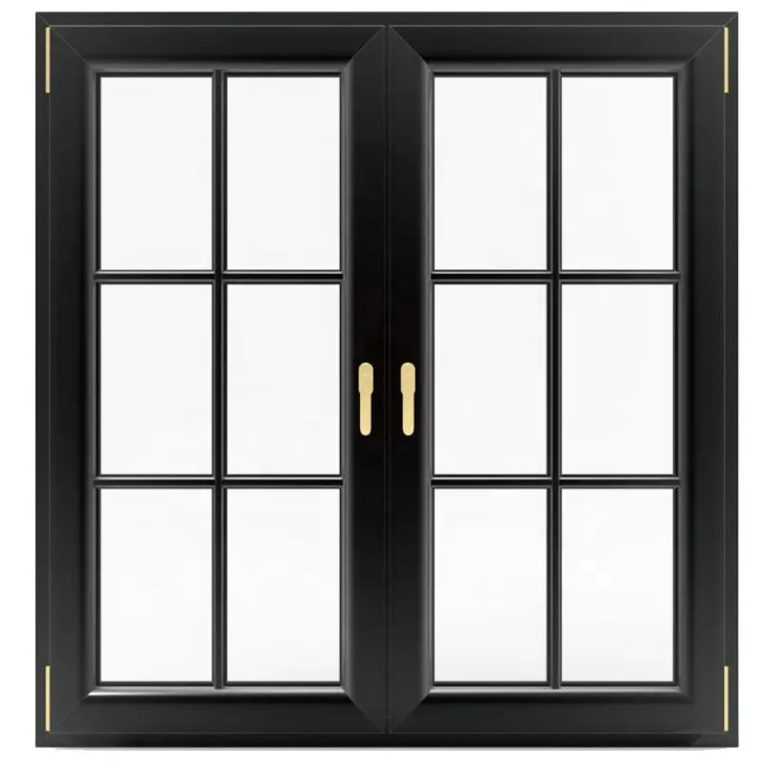
However, standard double glazing does have some limitations. The visible frame can make the windows look bulky and may not be as aesthetically pleasing as other options. Additionally, the frame can reduce the amount of natural light that enters your home, as it takes up more space on the window opening.
Flush Double Glazing
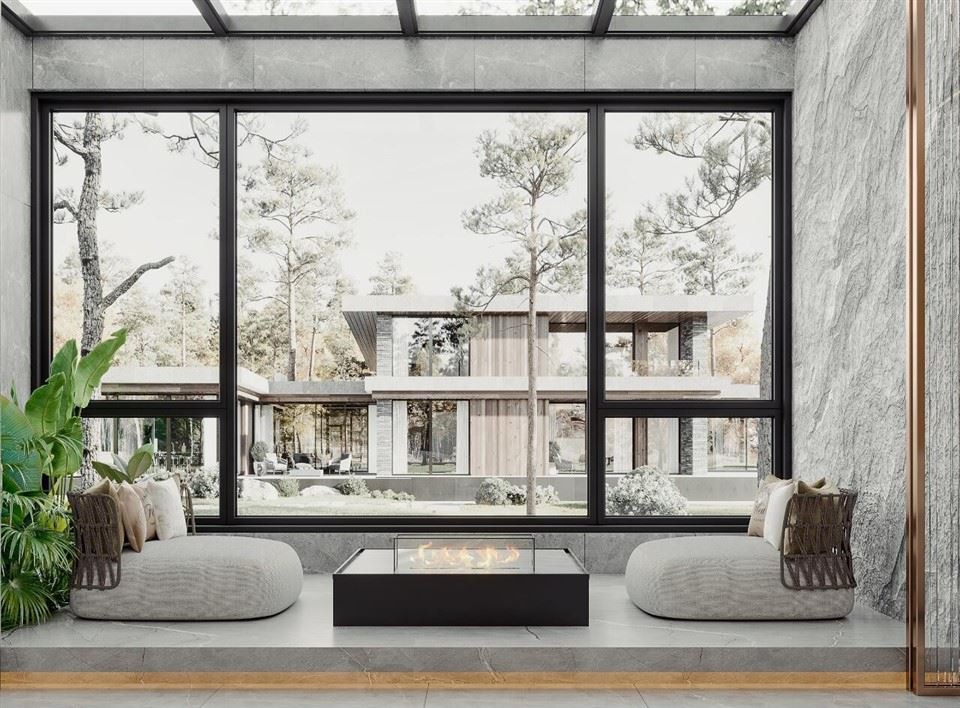
Flush double glazing, on the other hand, offers a more modern and sleek alternative to standard double glazing. As the name suggests, flush double glazing features a flush-fitting design, where the frame sits flush with the wall. This creates a seamless appearance that can enhance the overall look of your home.
One of the main benefits of flush double glazing is its aesthetic appeal. The flush-fitting design gives your windows a clean and contemporary look that can make your home look more modern and stylish. Flush double glazing is also available in a wide range of colors and finishes, allowing you to customize the look of your windows to match your home's exterior.
In addition to its aesthetic appeal, flush double glazing also offers excellent energy efficiency. The flush-fitting design helps to reduce heat loss and improve insulation, which can save you money on your energy bills. Flush double glazing also provides good noise reduction, making your home more comfortable and peaceful.
Another advantage of flush double glazing is its security features. Like standard double glazing, flush double glazing typically features multi-point locking systems and toughened glass to provide enhanced security. The flush-fitting design also makes it more difficult for intruders to gain access to your home, as there are no protruding frames or handles to grab onto.
However, flush double glazing does come at a higher cost than standard double glazing. The flush-fitting design requires more precise manufacturing and installation, which can increase the price. Additionally, flush double glazing may not be suitable for all types of homes. It is typically more popular in modern and contemporary properties, as the sleek design may not complement the architecture of traditional homes.
Key Differences
Now that we've covered the basics of standard double glazing and flush double glazing, let's take a closer look at the key differences between the two.
Appearance
The most obvious difference between standard double glazing and flush double glazing is their appearance. Standard double glazing features a visible frame that sits proud of the wall, while flush double glazing has a flush-fitting design that sits flush with the wall. The flush-fitting design of flush double glazing gives it a more modern and sleek look, while the visible frame of standard double glazing can make it look more traditional.
Energy Efficiency
Both standard double glazing and flush double glazing offer good energy efficiency, but flush double glazing may have a slight edge. The flush-fitting design of flush double glazing helps to reduce heat loss and improve insulation, which can result in lower energy bills. Additionally, flush double glazing may be available with advanced glazing options, such as low-emissivity glass, which can further enhance its energy efficiency.
Security
Both standard double glazing and flush double glazing offer good security features, such as multi-point locking systems and toughened glass. However, the flush-fitting design of flush double glazing may make it more difficult for intruders to gain access to your home, as there are no protruding frames or handles to grab onto.
Cost
As mentioned earlier, flush double glazing typically comes at a higher cost than standard double glazing. The flush-fitting design requires more precise manufacturing and installation, which can increase the price. However, the cost difference may be worth it if you value the aesthetic appeal and energy efficiency of flush double glazing.
Which One Should You Choose?
So, which type of double glazing is right for you? The answer depends on your personal preferences, budget, and the style of your home. If you have a traditional home and are looking for an affordable and versatile option, standard double glazing may be the best choice for you. On the other hand, if you have a modern or contemporary home and are willing to invest in a more stylish and energy-efficient option, flush double glazing may be worth considering.
It's also important to consider the specific requirements of your home. For example, if you live in a noisy area, you may want to choose double glazing with good noise reduction properties. If you're concerned about security, you may want to look for windows with advanced locking systems and toughened glass.
Additional Resources
If you're still unsure which type of double glazing is right for you, I recommend checking out some of the following resources:
- Casement Window Sizes: This resource provides information on the different sizes of casement windows available, which can help you choose the right windows for your home.
- Energy-Smart Casement Windows: This resource offers tips and advice on choosing energy-efficient casement windows, which can help you save money on your energy bills.
- Tilt And Turn Casement Windows: This resource provides information on the benefits of tilt and turn casement windows, which can offer increased ventilation and security.
Conclusion
In conclusion, both standard double glazing and flush double glazing have their own advantages and disadvantages. The choice between the two depends on your personal preferences, budget, and the style of your home. If you're looking for an affordable and versatile option, standard double glazing may be the best choice for you. However, if you're willing to invest in a more stylish and energy-efficient option, flush double glazing may be worth considering.
If you have any questions or would like to discuss your options further, please don't hesitate to contact us. We're here to help you choose the right double glazing for your home and ensure that you get the best possible results.
References
- Glass and Glazing Federation. (n.d.). Double Glazing. Retrieved from [Website URL]
- Energy Saving Trust. (n.d.). Double Glazing. Retrieved from [Website URL]
- Homebuilding & Renovating. (n.d.). Flush Double Glazing: What Is It and Is It Worth the Hype? Retrieved from [Website URL]