




Acoustic glass, also known as soundproof glass, is a specialized type of glass designed to reduce the transmission of sound waves. When it comes to sliding doors, installing acoustic glass can significantly enhance the comfort and tranquility of your space by minimizing external noise. As a reputable Glass For Sliding Door supplier, I'm here to guide you through the installation process of acoustic glass in a sliding door.
Step 1: Measure the Sliding Door Opening
The first step in installing acoustic glass in a sliding door is to accurately measure the dimensions of the door opening. This includes measuring the height, width, and depth of the opening to ensure that the acoustic glass panel fits perfectly. Use a tape measure to take precise measurements, and record them carefully. It's important to measure the opening at multiple points to account for any irregularities or variations in the frame.
Step 2: Select the Right Acoustic Glass
Once you have the measurements, it's time to select the appropriate acoustic glass for your sliding door. Acoustic glass comes in various thicknesses and configurations, each offering different levels of sound insulation. Consider factors such as the level of noise reduction you need, the location of the sliding door, and your budget when choosing the right acoustic glass. As a Glass For Sliding Door supplier, we offer a wide range of acoustic glass options to meet your specific requirements.
Step 3: Prepare the Sliding Door Frame
Before installing the acoustic glass, it's essential to prepare the sliding door frame. Start by removing the existing glass panel from the door frame. This may involve removing screws, clips, or other fasteners that hold the glass in place. Use caution when handling the old glass to avoid breakage. Once the old glass is removed, clean the frame thoroughly to remove any dirt, debris, or adhesive residue. This will ensure a proper seal between the new acoustic glass and the frame.
Step 4: Install the Acoustic Glass
With the frame prepared, it's time to install the acoustic glass panel. Carefully lift the acoustic glass panel and place it into the door frame, aligning it with the frame's edges. Make sure the glass is centered and level within the frame. Use a putty knife or a similar tool to apply a bead of silicone sealant around the perimeter of the glass panel. This will help to seal the glass to the frame and prevent air and water leakage.
Step 5: Secure the Acoustic Glass
After applying the sealant, use screws, clips, or other fasteners to secure the acoustic glass panel to the frame. Follow the manufacturer's instructions for the specific type of fasteners you are using. Make sure the fasteners are tightened evenly to ensure a secure fit. Avoid overtightening the fasteners, as this can cause the glass to crack or break.
Step 6: Test the Sliding Door
Once the acoustic glass is installed and secured, test the sliding door to ensure it operates smoothly. Open and close the door several times to check for any binding or resistance. If the door doesn't slide smoothly, adjust the rollers or tracks as needed. Also, check for any gaps or leaks around the glass panel. If you notice any issues, make the necessary adjustments or repairs.
Step 7: Add Additional Sealing
To further enhance the sound insulation of the sliding door, consider adding additional sealing around the frame. This can include weatherstripping, door sweeps, or other types of seals. These seals can help to block out air and noise, improving the overall performance of the acoustic glass.
Benefits of Installing Acoustic Glass in Sliding Doors
Installing acoustic glass in sliding doors offers several benefits, including:
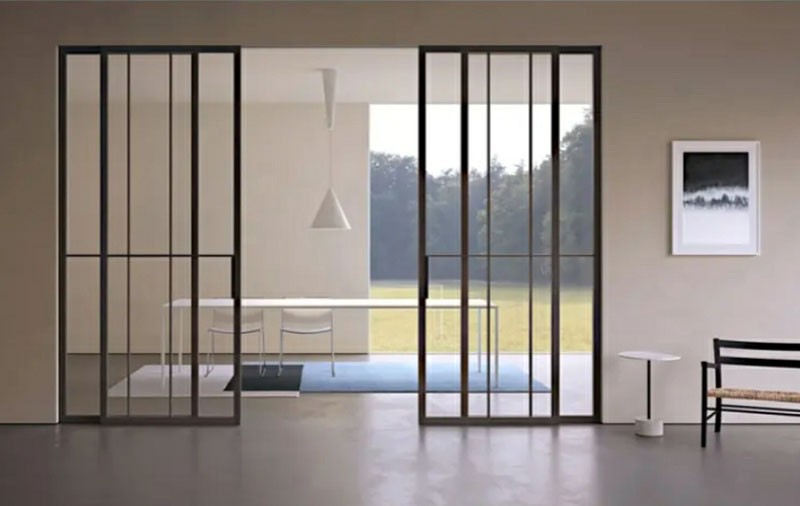

- Noise Reduction: Acoustic glass can significantly reduce the amount of noise that enters your space, creating a more peaceful and comfortable environment.
- Energy Efficiency: Acoustic glass can also help to improve the energy efficiency of your home by reducing heat transfer. This can lead to lower energy bills and a more sustainable living environment.
- Enhanced Security: Acoustic glass is typically thicker and stronger than regular glass, providing an additional layer of security for your home.
- Aesthetic Appeal: Acoustic glass can enhance the aesthetic appeal of your sliding doors, giving them a modern and sophisticated look.
Related Products
As a Glass For Sliding Door supplier, we also offer a variety of related products to complement your acoustic glass installation. These include:
- Front Sliding Glass Doors: Our front sliding glass doors are available in a range of styles and sizes to suit your specific needs.
- Big Aluminium Sliding Doors: Our big aluminium sliding doors are perfect for large openings and offer excellent durability and strength.
- Window Blinds For Sliding Glass Doors: Our window blinds for sliding glass doors can help to control light and privacy while adding a touch of style to your space.
Contact Us for Installation and Purchase
If you're interested in installing acoustic glass in your sliding doors or purchasing any of our related products, we'd love to hear from you. Our team of experts can provide you with more information, answer your questions, and help you choose the right products for your needs. Whether you're a homeowner, a contractor, or a designer, we're committed to providing you with the highest quality products and services. Contact us today to start the process of enhancing your space with acoustic glass.
References
- "Acoustic Glass: How It Works and Why You Need It." Soundproofing Company.
- "Installing Acoustic Glass in Your Home." DIY Network.
- "Benefits of Acoustic Glass for Windows and Doors." Glass Magazine.