




What is the Wind Load Capacity of Vertical Fold Up Windows?
As a supplier of Vertical Fold Up Windows, I often get asked about the wind load capacity of these innovative window solutions. Understanding the wind load capacity is crucial, especially for customers in areas prone to high - winds, storms, or hurricanes. In this blog post, I'll delve into the concept of wind load capacity, how it applies to vertical fold up windows, and why it matters for your building project.

Understanding Wind Load
Wind load refers to the force exerted by the wind on a structure. It is a complex phenomenon influenced by various factors such as wind speed, direction, the shape and size of the building, and the local topography. Engineers calculate wind load using specific formulas and standards that take these factors into account. In general, wind load increases with the square of the wind speed. So, a small increase in wind speed can result in a significant increase in the force exerted on a structure.
For buildings, wind load can cause various types of damage, from minor cosmetic issues to severe structural failures. Windows are particularly vulnerable to wind load because they are often large, flat surfaces exposed to the wind. If a window cannot withstand the wind load, it may break, leading to water intrusion, damage to the interior of the building, and even pose a safety hazard to the occupants.
Wind Load Capacity of Vertical Fold Up Windows
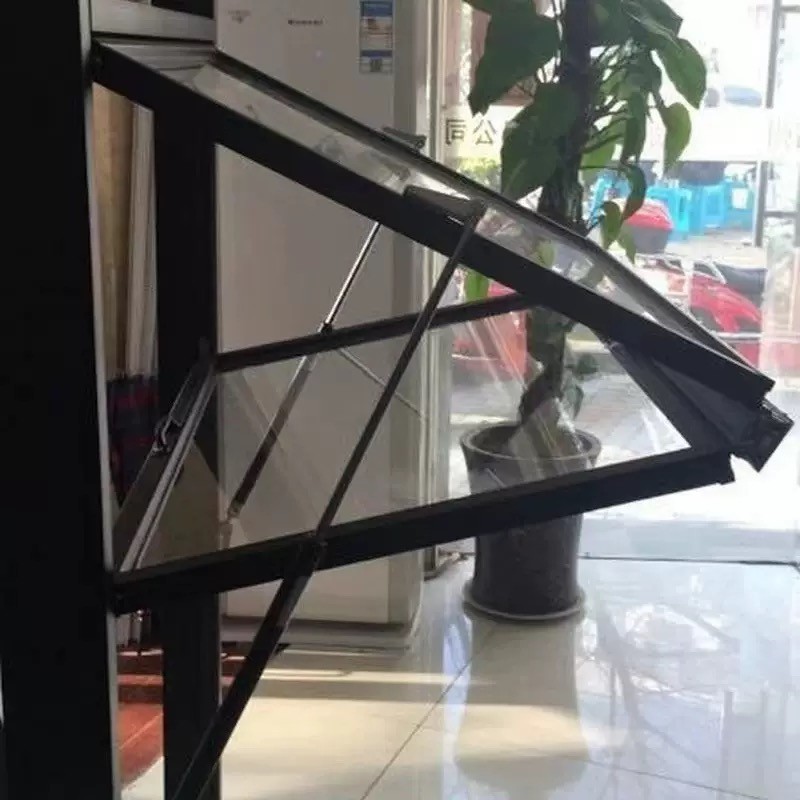
Vertical fold up windows are designed to provide flexibility, allowing users to open and close them as needed. They are popular in many applications, including Folding Kitchen Window, where they can create an open - air feel, and Bi Folding Windows, which are great for large openings.
The wind load capacity of vertical fold up windows depends on several factors:
- Frame Material: The material of the window frame plays a significant role in determining its wind load capacity. Common frame materials include aluminum, vinyl, and wood. Aluminum frames are known for their strength and durability, making them a popular choice for areas with high wind loads. Vinyl frames are lightweight and energy - efficient, but they may not be as strong as aluminum in extreme wind conditions. Wood frames offer a natural aesthetic but require more maintenance and may be less resistant to wind damage compared to aluminum.
- Glass Thickness: Thicker glass can generally withstand higher wind loads. Laminated glass, which consists of two or more layers of glass bonded together with a plastic interlayer, is often used in areas with high wind risks. It provides better protection against breakage and can help prevent shards of glass from flying into the building in case of a break.
- Window Design: The design of the vertical fold up window also affects its wind load capacity. Windows with a more robust locking mechanism can better resist the forces exerted by the wind. Additionally, the way the window is installed and the overall structural integrity of the building can impact how well the window performs under wind load.
Testing and Certification
To ensure that vertical fold up windows meet the required wind load standards, they undergo rigorous testing. These tests simulate different wind conditions and measure the performance of the windows. Windows that pass these tests are often certified by recognized organizations, which provide assurance to customers that the windows can withstand the specified wind loads.
For example, in the United States, the American Architectural Manufacturers Association (AAMA) has established standards for window performance, including wind load resistance. Windows that meet these standards are labeled with a performance rating, which indicates their ability to withstand different levels of wind pressure.
Importance of Wind Load Capacity for Customers
For customers, choosing vertical fold up windows with an appropriate wind load capacity is essential for several reasons:
- Safety: Windows that can withstand high wind loads provide a safer environment for the occupants of the building. They reduce the risk of breakage and the potential for glass shards to cause injury.
- Durability: Windows with a high wind load capacity are more likely to last longer. They are less prone to damage from wind - related events, which can save customers money on repairs and replacements in the long run.
- Energy Efficiency: Well - designed windows that can withstand wind load also tend to be more energy - efficient. They can prevent air leakage, which helps to maintain a comfortable indoor temperature and reduce energy costs.
Our Vertical Fold Up Windows and Wind Load Capacity
At our company, we take pride in offering high - quality vertical fold up windows with excellent wind load capacity. Our Folding Window – Recyclable EcoFrame is a prime example. It features a strong aluminum frame that provides superior strength and durability. The frame is designed to work in conjunction with thick, high - quality glass to ensure maximum wind load resistance.
We also offer a range of customization options, allowing customers to choose the glass thickness, frame color, and locking mechanism that best suits their needs. Our windows are tested to meet or exceed industry standards, and we can provide certification to give our customers peace of mind.
Contact Us for Your Window Needs
If you're considering installing vertical fold up windows in your building, it's important to choose a supplier that can provide windows with the right wind load capacity. Our team of experts is here to help you select the best windows for your project. We can provide detailed information about the wind load capacity of our products, answer any questions you may have, and assist you in the installation process.
Whether you're building a new home, renovating a commercial space, or looking for Folding Kitchen Window solutions, we have the expertise and products to meet your needs. Contact us today to start the conversation about your window requirements. We look forward to working with you to create a beautiful and functional space that is safe and energy - efficient.
References
- American Architectural Manufacturers Association (AAMA). (Year). Window Performance Standards.
- Building Codes and Standards. (Year). Guidelines for Wind Load Calculation and Window Design.