

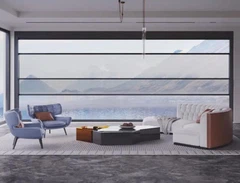


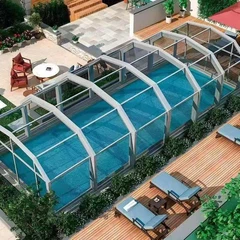


Glass windows are building components made of glass panels installed within frames to allow natural light, provide ventilation, improve visibility, and protect indoor spaces from weather conditions. In modern construction, glass windows are not simply transparent openings in a wall. They are engineered systems combining glass, frames, hardware, sealing materials, and installation methods to achieve specific requirements such as energy efficiency, safety, sound reduction, and architectural design.[If you are looking for project-specific solutions, explore our custom OEM window manufacturing services here.]
For homeowners, architects, contractors, developers, and building material buyers, understanding how glass windows work is important before selecting the right solution. Different glass types, frame materials, opening styles, and performance requirements can significantly affect building comfort, maintenance costs, and long-term value.
Although glass windows are widely used in residential buildings, commercial projects, hotels, schools, offices, and industrial facilities, choosing the correct system requires more than selecting a visually attractive design. The right window depends on climate conditions, building purpose, local standards, budget, and expected service life.
What Are Glass Windows Made Of?
A glass window is a complete system consisting of several components working together. The glass itself is only one part of the structure. The frame, hardware, seals, and installation method all influence the final performance.
The main components usually include:
|
Component |
Function |
|---|---|
| Glass panel | Provides daylight, visibility, insulation, and protection |
| Window frame | Supports the glass and connects the window to the building structure |
| Hardware | Controls opening, closing, locking, and operation |
| Sealing system | Prevents water, air leakage, and dust penetration |
| Spacer and insulating materials | Improve thermal performance in insulated glass units |
The performance of a glass window depends on how these components work together. A high-performance glass panel installed in a poor-quality frame system may still experience air leakage or condensation problems.
For example, a commercial building located in a hot climate may require solar-control glass combined with thermally improved frames, while a residential project in a colder region may prioritize insulated glass units with low heat transfer.
Why Are Glass Windows Used in Modern Buildings?
Glass windows have become a standard feature in modern architecture because they solve multiple functional and aesthetic requirements at the same time.
The most obvious purpose is natural lighting. By allowing daylight into interior spaces, glass windows can reduce dependence on artificial lighting during daytime hours. In commercial buildings, this can improve the working environment and create more comfortable spaces.
Glass windows also connect indoor and outdoor environments. Large glazing areas are commonly used in villas, hotels, offices, and retail buildings to create open views and modern architectural appearances.
However, modern window systems are designed for much more than appearance. Properly selected glass windows can contribute to:
Better thermal comfort
Reduced outside noise
Improved ventilation
Enhanced building appearance
Weather protection
Increased property value
The key is selecting the correct window specification rather than assuming all glass windows provide the same performance.
What Types of Glass Are Commonly Used for Windows?
Different glass types provide different levels of safety, insulation, and performance. The correct choice depends on project requirements.
Single Glass
Single glass consists of one layer of glass and is the simplest type of glazing.
It is still used in some interior applications or projects where insulation requirements are limited. However, it generally provides lower thermal and acoustic performance compared with modern glazing solutions.
For new residential and commercial projects, single glass is often less common because energy efficiency requirements have increased in many markets.
Tempered Glass
Tempered glass is heat-treated to increase strength and safety.
When broken, it usually breaks into smaller pieces rather than large sharp fragments, making it suitable for many applications where safety is important.
Common uses include:
Sliding doors
Large fixed windows
Commercial buildings
Areas requiring safety glazing
Laminated Glass
Laminated glass consists of multiple glass layers bonded with an interlayer.
The interlayer helps hold the glass together after breakage and can improve sound reduction and security performance.
It is often considered for:
High-security areas
Buildings near busy roads
Projects requiring additional safety protection
Double Glazed Glass
Double glazing uses two glass panels separated by a sealed air or gas-filled space.
This structure improves insulation by reducing heat transfer between indoor and outdoor environments.
Double glazing is widely used in energy-efficient residential and commercial projects.[Learn more about our high-performance double-glazed glass window systems here.]
Low-E Glass
Low-emissivity (Low-E) glass has a special coating designed to reduce heat transfer while allowing natural light to pass through.
It is commonly selected for projects where energy performance is important.
For example, office buildings with large glass facades may use Low-E glazing to help control indoor temperatures and reduce cooling or heating loads.
How Do Different Window Frame Materials Affect Performance?
The frame material plays a major role in determining durability, maintenance requirements, appearance, and thermal performance.
| Frame Material | Characteristics | Common Applications |
|---|---|---|
| Aluminum | Strong, lightweight, suitable for large openings | Commercial buildings, modern homes |
| uPVC | Low maintenance and good insulation properties | Residential projects |
| Wood | Natural appearance with traditional style | Premium residential projects |
| Aluminum thermal break | Improved insulation compared with standard aluminum | Energy-efficient buildings |
Aluminum Glass Windows
Aluminum windows are widely used because aluminum provides strength, corrosion resistance, and design flexibility.
They are particularly suitable for large glass areas because aluminum frames can support heavier glazing systems while maintaining slim profiles.
Modern aluminum windows may include thermal break technology to reduce heat transfer between the interior and exterior sides of the frame.
uPVC Glass Windows
uPVC windows are popular in many residential markets because they require limited maintenance and provide good insulation performance.
They are commonly used in homes, apartments, and renovation projects where thermal efficiency and cost control are important.
Wood Glass Windows
Wood windows offer a natural appearance and traditional character. However, they generally require more maintenance compared with aluminum or uPVC systems, especially in humid or harsh weather environments.
What Are the Different Types of Glass Window Designs?
Window design affects ventilation, operation, cleaning, and architectural appearance.
Sliding Glass Windows
Sliding windows move horizontally along tracks.
They are popular because they save space and are easy to operate. They are commonly used in apartments, balconies, offices, and commercial spaces where outward opening is limited.
Casement Glass Windows
Casement windows are hinged and open outward or inward.
They generally provide strong ventilation because the opening angle can direct airflow into the building.
Fixed Glass Windows
Fixed windows do not open and are designed mainly to provide natural light and views.
They are often combined with operable windows in modern architectural designs.
Folding Glass Windows
Folding windows use multiple panels that can open together to create a larger connection between indoor and outdoor spaces.
They are often selected for restaurants, villas, balconies, and premium residential projects.[Discover how we integrate these window designs into our portable Sunroom.]
How Do Glass Windows Improve Energy Efficiency?
Energy efficiency is one of the most important considerations in modern window selection.
A window's thermal performance depends on several factors:
Glass type
Number of glazing layers
Frame material
Sealing quality
Installation method
Building orientation
A common misunderstanding is that thicker glass always means better insulation. In reality, the complete window system determines performance.
For example, a properly designed double-glazed window with Low-E glass and an insulated frame may perform significantly better than a single thick glass panel.
In commercial projects, energy-efficient windows can help reduce heating and cooling demand. In residential buildings, they can improve indoor comfort by reducing temperature differences near windows.
What Should B2B Buyers Consider When Purchasing Glass Windows?
For distributors, contractors, and developers, purchasing glass windows involves evaluating more than appearance and price.
Important considerations include:
Project Requirements
Before selecting a supplier, buyers should confirm:
Building location and climate
Required window sizes
Glass specifications
Local regulations
Installation methods
Expected performance level
A window system suitable for a tropical hotel may not be suitable for a cold-region apartment project.
Manufacturing Capability
A reliable supplier should have the ability to produce consistent products at the required volume.
Buyers should evaluate:
Production equipment
Quality control procedures
Customization capability
Engineering support
Export experience
For businesses requiring customized solutions, exploring a manufacturer's OEM window manufacturing capabilities can help determine whether the supplier can support long-term cooperation.
Total Cost Instead of Initial Price
The lowest quotation is not always the lowest-cost solution.
Buyers should consider:
Product lifespan
Maintenance requirements
Installation efficiency
Replacement risks
Energy performance
A slightly higher-quality window system may provide better value throughout the building lifecycle.
What Are Common Mistakes When Choosing Glass Windows?
Many window problems come from incorrect selection rather than product failure.
One common mistake is choosing glass based only on appearance. A large transparent window may look attractive, but without considering solar heat gain, insulation, and local climate, it may create comfort problems.
Another mistake is ignoring installation quality. Even a high-performance window can fail if the installation method does not properly address sealing, drainage, and structural requirements.
Some buyers also underestimate hardware quality. Hinges, locks, rollers, and other components directly affect daily operation and long-term reliability.
For international projects, another important factor is transportation. Proper export packaging and protection methods are essential because glass products are vulnerable during long-distance shipping.
How Should Beginners Choose the Right Glass Windows?
A simple selection process can help avoid expensive mistakes.
First, define the project purpose. Residential, commercial, hospitality, and industrial buildings often require different window solutions.
Second, determine the required performance level. Consider insulation, sound reduction, safety, and maintenance requirements.
Third, choose the appropriate combination of glass, frame, and opening style.
Finally, select a supplier that can provide technical support, consistent production, and reliable after-sales communication.
For buyers working on larger projects, cooperation with an experienced manufacturer can simplify specification confirmation, production management, and future replacement requirements.
Frequently Asked Questions About Glass Windows
1.Are all glass windows energy efficient?
No. Energy efficiency depends on the complete window system, not only the glass itself. Factors such as glazing type, frame material, sealing performance, and installation quality all influence thermal performance. A single glass window with a basic frame may provide limited insulation, while a double-glazed Low-E glass system with an insulated frame can offer much better energy performance. Buyers should evaluate the entire system according to climate conditions and project requirements.
2.What is the difference between ordinary glass and double-glazed windows?
Ordinary glass windows typically use a single glass layer, while double-glazed windows contain two glass panels separated by an insulating space. The additional layer reduces heat transfer and can improve sound insulation. Double glazing is commonly used in projects where energy efficiency and indoor comfort are important. However, the final performance also depends on frame design, sealing quality, and installation methods.
3.Which glass window type is best for commercial buildings?
The best glass window type depends on the building purpose, climate, and design requirements. Commercial buildings often use aluminum systems with insulated glass because they provide strength, durability, and flexibility for large openings. Offices may prioritize energy efficiency and noise control, while retail buildings may focus more on visibility and architectural appearance. A suitable system should balance performance, maintenance, and budget.
4.How long do glass windows usually last?
The service life of glass windows depends on materials, manufacturing quality, installation, climate exposure, and maintenance. Well-designed aluminum or uPVC window systems can serve many years when properly maintained. However, hardware components, seals, and moving parts may require replacement earlier than the frame or glass itself. Regular inspection helps extend the functional life of the complete window system.
5.Should businesses buy glass windows directly from manufacturers?
For distributors, contractors, and developers, buying directly from manufacturers can provide advantages such as customization support, clearer technical communication, and better control over production. However, buyers should evaluate the manufacturer's experience, quality systems, export capability, and ability to meet project specifications before cooperation. The right supplier relationship depends on project requirements and long-term business goals.
Choosing the Right Glass Windows Starts With Understanding the Complete System
Glass windows are more than simple glass panels installed in walls. They are engineered systems where glass, frames, hardware, sealing, and installation methods work together to provide comfort, safety, and building performance.
For beginners, the most important lesson is that there is no single "best" glass window for every project. The right choice depends on climate, building type, design goals, performance expectations, and budget.
For B2B buyers, selecting an experienced supplier is equally important as selecting the right product. A capable manufacturer can help optimize specifications, reduce installation risks, and provide consistent solutions for future projects.[Contact Deslano's engineering team today for a free project specification review and technical consultation.]
Understanding these fundamentals allows buyers to make better decisions before investing in glass window systems for residential, commercial, or large-scale construction applications.