


What is the maximum width of a casement window?
As a supplier of casement windows, I often get asked about the maximum width of these popular window types. Casement windows are known for their functionality, aesthetic appeal, and energy - efficiency, but determining the right size, especially the maximum width, is crucial for both design and practicality.
Factors Influencing the Maximum Width
The maximum width of a casement window is not a one - size - fits - all answer. It depends on several factors, including the materials used, the hardware, and the building's structural requirements.
Materials
The material of the window frame plays a significant role in determining its maximum width. Common materials for casement windows include wood, vinyl, and aluminum.
Wood is a traditional and aesthetically pleasing choice. It has good strength, but it can be affected by moisture and may require regular maintenance. The maximum width of a wooden casement window typically ranges from 24 to 36 inches. This is because as the width increases, the wood may become more prone to warping, which can affect the window's operation and the seal.
Vinyl is a popular, low - maintenance option. It is lightweight and resistant to moisture and rot. Vinyl casement windows can generally have a maximum width of up to 48 inches. The material's flexibility and durability allow it to span a greater distance without significant issues.
Aluminum is known for its strength and modern appearance. It can support larger window sizes. Aluminum casement windows can often reach a maximum width of 60 inches or more. However, the use of appropriate reinforcement and high - quality hardware is essential to ensure the window's stability and proper operation.
Hardware
The hardware used in casement windows is another critical factor. Hinges and locking mechanisms need to be able to support the weight and size of the window. For wider casement windows, heavy - duty hinges are required. These hinges are designed to handle the increased load and provide smooth operation.
The locking system also needs to be robust. A weak locking mechanism on a wide window may not provide adequate security or a proper seal. High - quality multi - point locking systems are often recommended for wider casement windows. These systems distribute the locking force evenly across the window, ensuring a tight seal and enhanced security.
Structural Requirements
The building's structure also influences the maximum width of a casement window. The wall where the window is installed must be able to support the weight of the window and withstand the forces exerted on it, such as wind pressure.
In some cases, additional structural support may be required for wider windows. This could involve adding steel or wooden beams within the wall to reinforce it. Architects and structural engineers need to be consulted to ensure that the window installation complies with building codes and safety standards.
Industry Standards and Common Sizes
In the window industry, there are some general standards and common sizes for casement windows. Most manufacturers offer a range of standard widths, with the most common widths being between 18 and 36 inches. These sizes are popular because they are suitable for a wide range of applications and are relatively easy to install.
However, custom - sized casement windows are also available. Many suppliers, including us, can produce windows with non - standard widths to meet specific design requirements. When it comes to custom widths, it's important to work closely with the supplier to ensure that the window is designed and manufactured to the highest standards.
Examples of Wide Casement Windows
To give you a better idea of what wide casement windows can look like and where they can be used, let's take a look at some examples.
Heritage Casement Windows are a great option for historical or traditional buildings. These windows often have a classic design and can be made in wider sizes to fit large openings while maintaining the building's aesthetic. The use of high - quality materials and hardware ensures that the windows are both functional and visually appealing.
Double Glazed Casement Windows are known for their energy - efficiency. They can be manufactured in wider widths to maximize the amount of natural light entering a room while reducing heat transfer. Double - glazed windows are suitable for both residential and commercial buildings.
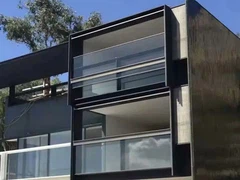
Black Casement Windows have a modern and stylish appearance. They can be used to create a bold statement in contemporary architecture. Wide black casement windows can make a room look more spacious and add a touch of sophistication.
Practical Considerations for Wide Casement Windows
When considering wide casement windows, there are some practical aspects to keep in mind.
Operation: Wider windows may require more effort to open and close. It's important to choose hardware that allows for smooth and easy operation. Additionally, the location of the window handle should be carefully considered to ensure that it is accessible and comfortable to use.
Cleaning: Cleaning the exterior of wide casement windows can be more challenging. Some casement windows are designed with a tilt - in feature, which allows for easier cleaning from the inside. This is a useful option for wider windows, as it eliminates the need for external scaffolding or ladders.
Cost: Generally, wider casement windows are more expensive than standard - sized ones. This is due to the increased amount of materials, the need for heavy - duty hardware, and potentially additional structural support. However, the benefits of wider windows, such as increased natural light and improved aesthetics, may outweigh the cost for many customers.
Conclusion
In conclusion, the maximum width of a casement window depends on a variety of factors, including materials, hardware, and structural requirements. While industry standards provide a general guideline, custom - sized windows can be produced to meet specific design needs.
As a casement window supplier, we have the expertise and experience to help you choose the right width for your project. Whether you're looking for Heritage Casement Windows, Double Glazed Casement Windows, or Black Casement Windows, we can provide high - quality products that meet your requirements.
If you're interested in purchasing casement windows for your next project, we encourage you to contact us for a consultation. Our team of experts will be happy to discuss your needs, provide you with a quote, and guide you through the selection and installation process.
References
- Window and Door Manufacturers Association (WDMA) Standards and Guidelines
- Architectural Woodwork Institute (AWI) Technical Information
- Structural Engineering Handbooks for Building Design