





What is the weight capacity of a typical recessed sash window lift?
As a supplier of recessed sash window lifts, I've encountered numerous inquiries regarding the weight capacity of these essential components. Understanding the weight capacity is crucial for ensuring the proper functioning and longevity of your windows. In this blog post, I'll delve into the factors that influence the weight capacity of a typical recessed sash window lift and provide some guidelines to help you make an informed decision.
Factors Affecting Weight Capacity
The weight capacity of a recessed sash window lift is determined by several key factors, each playing a significant role in the overall performance of the lift.
Material Quality
The materials used in the construction of the window lift are paramount. High - grade metals such as stainless steel or brass offer superior strength and durability compared to lower - quality alternatives. These materials can withstand greater stress and are less likely to deform under heavy loads. For instance, stainless steel is corrosion - resistant, which is especially important in areas with high humidity or near coastal regions. This ensures that the lift maintains its integrity over time, even when supporting heavy sashes.
Design and Engineering
The design of the recessed sash window lift is another critical factor. A well - engineered lift will distribute the weight evenly across its components, reducing the risk of overloading any single part. Features such as reinforced brackets, smooth - operating gears, and precision - cut tracks contribute to a higher weight capacity. For example, a lift with a double - track design can provide more stability and support for heavier sashes compared to a single - track design.
Installation
Proper installation is essential for achieving the maximum weight capacity of a recessed sash window lift. Incorrect installation can lead to uneven weight distribution, which may cause premature wear and tear or even failure of the lift. It's crucial to follow the manufacturer's installation instructions carefully, ensuring that the lift is securely attached to the window frame and the sash. Additionally, the alignment of the lift with the tracks must be precise to allow for smooth operation.
Typical Weight Capacities
The weight capacity of a recessed sash window lift can vary widely depending on its design and intended use. Generally, for residential applications, typical recessed sash window lifts can support weights ranging from 20 to 50 pounds per lift. This is suitable for most standard - sized windows found in homes, including single - and double - hung windows.
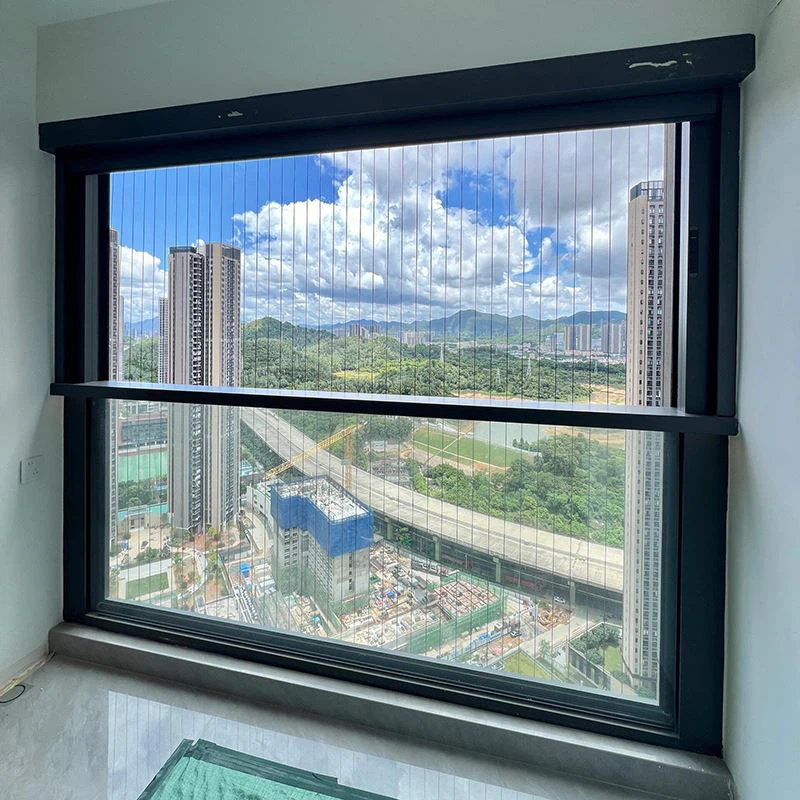
For commercial or larger - scale applications, where windows may be larger and heavier, there are heavy - duty recessed sash window lifts available. These can have weight capacities of up to 100 pounds or more per lift. These heavy - duty lifts are often used in office buildings, schools, and other commercial structures where the windows need to be more robust and durable.
Choosing the Right Lift for Your Windows
When selecting a recessed sash window lift, it's important to consider the weight of your window sashes. To determine the weight of your sashes, you can use a simple household scale. If you're unsure, it's always a good idea to err on the side of caution and choose a lift with a higher weight capacity.
In addition to weight capacity, you should also consider the type of window you have. For example, if you have a Simple Lifting Window, a standard - duty lift may be sufficient. However, for a Lift Slide Window or Vertical Lift Lift Out Windows, which may require more precise movement and support, you may need a more specialized lift.
Importance of Weight Capacity
Using a recessed sash window lift with an appropriate weight capacity is essential for several reasons. Firstly, it ensures the safety of the window operation. If a lift is overloaded, it can fail, causing the window sash to fall, which could result in injury or property damage. Secondly, it extends the lifespan of the lift and the window. When a lift is operating within its designed weight capacity, it experiences less stress and wear, reducing the need for frequent repairs or replacements.
Maintenance and Inspection
Regular maintenance and inspection of your recessed sash window lifts are crucial for maintaining their weight capacity and overall performance. You should clean the tracks and gears regularly to remove dirt and debris, which can impede the smooth operation of the lift. Additionally, check for any signs of wear or damage, such as cracks, bent parts, or loose screws. If you notice any issues, it's important to address them promptly to prevent further damage.
Conclusion
In conclusion, the weight capacity of a typical recessed sash window lift depends on various factors, including material quality, design, and installation. By understanding these factors and choosing the right lift for your windows, you can ensure the safe and efficient operation of your windows for years to come.
If you're in the market for recessed sash window lifts, we're here to help. Our team has extensive experience in providing high - quality window lifts that meet a wide range of weight capacities and applications. Whether you're a homeowner looking to replace a few worn - out lifts or a contractor working on a large - scale project, we can offer the right solutions for your needs. Contact us today to discuss your requirements and start a procurement negotiation.
References
- Window Hardware Handbook, 3rd Edition
- Architectural Window Design Standards