

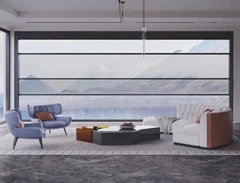
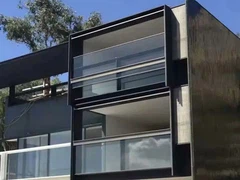

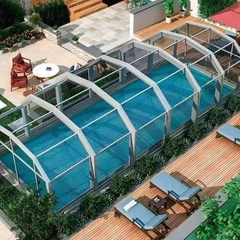

For most commercial projects, aluminium windows are usually the stronger choice due to their durability, structural strength, and long lifespan. uPVC windows, however, can be more budget-friendly and offer good thermal insulation for low-rise or cost-sensitive buildings.
But the real answer? It depends on your project type, climate, budget, and long-term maintenance expectations. Let's break it down properly-no fluff, just practical insight for contractors, developers, and distributors.
Why This Comparison Matters in Commercial Construction?
Choosing between aluminium and uPVC windows is not just a material decision. It affects:
Project lifecycle cost
Energy efficiency targets
Maintenance workload
Building appearance and branding
Structural safety in large openings
In commercial buildings-offices, hotels, schools, retail centers-windows are not decoration. They are performance components.
And here's a real industry insight:
Over 65% of mid-to-high-rise commercial projects globally still prefer aluminium window systems, mainly due to strength and design flexibility (industry construction surveys across EU and APAC markets).
So why is aluminium so dominant? And where does uPVC still win?
Let's walk through it step by step.
What Are Aluminium Windows and uPVC Windows Made Of?
Aluminium Windows: The Metal Framework System
Aluminium windows use extruded aluminium profiles, often combined with thermal breaks and double or triple glazing.
They are known for:
High structural strength
Slim frame designs
Resistance to corrosion (with surface treatment)
Long service life (often 25–40 years)
They are widely used in commercial façades, curtain wall systems, and large openings.

UPVC Windows: The Plastic-Based Alternative
uPVC (unplasticized polyvinyl chloride) windows are made from rigid plastic profiles reinforced with steel.
They are known for:
Strong thermal insulation
Lower material cost
Good sound reduction
Easy installation
They are popular in residential buildings and low-rise commercial spaces.
Aluminium vs uPVC Windows: Key Differences in Commercial Use
Let's make it simple. Here's a side-by-side comparison that contractors actually care about:
|
Feature |
Aluminium Windows |
uPVC Windows |
|
Strength |
Very high |
Moderate |
|
Lifespan |
25–40 years |
15–25 years |
|
Cost |
Higher upfront |
Lower upfront |
|
Thermal insulation |
Good (with thermal break) |
Very good |
|
Maintenance |
Very low |
Low |
|
Design flexibility |
Excellent (large spans) |
Limited |
|
Fire resistance |
High |
Lower |
|
Best use case |
Commercial, high-rise |
Residential, low-rise |
You see the pattern? Aluminium is about performance and structure. uPVC is about affordability and insulation.

Which One Performs Better in Commercial Projects?
Now let's get practical. Commercial projects are not all the same.
1. High-Rise Buildings: Aluminium Wins Clearly
If you're dealing with towers, offices, or hotels above 5–6 floors, aluminium is almost always preferred.
Why?
Handles wind load better
Supports large glass panels
Works with curtain wall systems
Does not deform under temperature changes
A 30-story building simply cannot rely on uPVC frames for façade stability.

2. Low-Rise Commercial Buildings: uPVC Can Compete
For:
Clinics
Small offices
Retail shops
Schools under 3 floors
uPVC can be a cost-efficient solution.
It offers:
Lower upfront investment
Good insulation (helps reduce HVAC costs)
Fast installation
But there's a trade-off: long-term durability and aesthetics.

3. Energy Efficiency: It's Closer Than You Think
Many people assume uPVC always wins in energy efficiency. That's only partially true.
Modern aluminium systems now include:
Thermal break technology
Double or triple glazing compatibility
Low-E glass integration
Result:
Energy performance gap is now much smaller than it was 10 years ago.
Typical U-values:
Aluminium (thermal break): 1.4 – 2.2 W/m²K
uPVC windows: 1.2 – 1.8 W/m²K
So yes, uPVC still slightly leads, but aluminium is no longer "weak" in insulation.
Cost Comparison: Short-Term vs Long-Term Thinking
Let's talk money-because every contractor does.
Initial Cost
uPVC windows: 20–35% cheaper
Aluminium windows: higher material + fabrication cost
So at first glance, uPVC looks attractive.
Long-Term Cost Reality
But here's what often gets missed:
uPVC may require earlier replacement (15–20 years)
Aluminium often lasts 30+ years with minimal maintenance
Aluminium better supports premium property value
Over a 25-year building cycle, aluminium often becomes more cost-efficient.
This is why developers in Europe and the Middle East increasingly choose aluminium for commercial assets meant to hold long-term value.
Design Flexibility: Where Aluminium Takes the Lead
Commercial architecture today is all about:
Bigger glass areas
Slim frames
Clean modern look
Aluminium makes this possible.
It supports:
Floor-to-ceiling windows
Large sliding systems
Complex geometric designs
Heavy insulated glass units
uPVC, due to material limits, struggles with large spans. Frames become thicker and less elegant.
If aesthetics matter for your project branding (and let's be honest, it always does), aluminium usually wins.
Durability and Maintenance: Real-World Performance
Commercial buildings don't have time for frequent repairs.
Aluminium:
Does not warp under heat
Resistant to UV exposure
Excellent corrosion resistance with coating
Works well in coastal environments

uPVC:
Can discolor over time in strong sunlight
May expand/contract slightly in extreme temperatures
Reinforcement steel may corrode if poorly sealed
In simple terms: aluminium is more "set and forget."

Sustainability Angle: Which Is Greener?
This is where things get interesting.
Aluminium is 100% recyclable without quality loss
uPVC is recyclable, but with more limitations
Modern construction trends in Europe increasingly favor aluminium due to circular economy goals.
However, the initial energy consumption for uPVC production is relatively low,
whereas the energy consumption for aluminum production is high;
therefore, determining which material is more environmentally friendly depends on whether the focus is on the full life cycle or the production stage.
Quick Decision Checklist
Ask yourself:
Is the building high-rise or low-rise?
Is long-term durability a priority?
Do we need large glass panels?
Is budget tight or flexible?
Is architectural design premium-focused?
If most answers lean toward performance → aluminium wins.
If most answers lean toward budget → uPVC can work.
Where Manufacturers Like Deslano Fit In
For B2B buyers-contractors, developers, distributors-the real value is not just material choice, but system integration.
A reliable supplier should offer:
Custom aluminium window systems
Thermal break profiles
Project-based engineering support
Compliance with CE / ISO / NFRC standards
Consistent batch production for large orders
Many commercial projects now prefer factory-direct partners such as Deslano Windoor systems, especially for:
Curtain wall-compatible aluminium windows
Large-scale project customization
Export-grade packaging and logistics support
Because in commercial construction, consistency matters just as much as price.
Final Verdict: Which One Should You Choose?
There is no universal winner-but there is a clear pattern:
Aluminium windows = long-term commercial performance, strength, design freedom
uPVC windows = cost efficiency, decent insulation, suitable for small projects
For serious commercial developments, aluminium remains the dominant choice for one simple reason:
It handles real-world pressure better-structurally, visually, and over time.
FAQs
1. Are aluminium windows better than uPVC for commercial buildings?
Yes, in most commercial projects aluminium is preferred due to higher strength, durability, and design flexibility.
2. Do uPVC windows last long enough for commercial use?
They can last 15–25 years, but may not perform as well in high-rise or heavy-load environments.
3. Which is more energy efficient: aluminium or uPVC?
uPVC has slightly better insulation, but modern thermal-break aluminium systems are very close in performance.
4. Are aluminium windows worth the higher cost?
For long-term projects, yes. They usually reduce replacement and maintenance costs over time.
5. Can aluminium windows be used in energy-efficient buildings?
Yes. With thermal break technology and double glazing, aluminium windows meet modern energy standards in many regions.